Be kind, for everyone you meet is fighting a battle you know nothing about.
I follow this to a fault. I speak as a storyteller and not a “motivational speaker.” I do not put words into your mouth, assuming your experience. I can only hope one can find emotion in mine.
Being back on LinkedIn has been necessary for me to try and reacclimatize, to find a new job, to reconnect with people I’ve missed, but it has brought me closer to all the reasons I dissociated in the first place.
My feed is flooded with these sweeping narratives about what I must be thinking, feeling, or experiencing—as if the writer has somehow gained access to my brain. These posts speak with absolute certainty about universal struggles, assuming that my journey mirrors some template of professional hardship they’ve crafted to maximize engagement.
What’s most frustrating is the performance of it all. Performance. I’m guilty of this. Hell, I’ve done it professionally since 2016. I talk about “performing” with my therapist often. It’s been a circuit that’s been connected since my childhood: this idea that we put on a show instead of being authentic. I needed to be the prodigal son for my father, the straight-A student for my teachers, the overly hyped Twitch streamer.
I’ve found I’m at my best when I don’t perform, when I drop the act and find comfort just existing as myself. Finding that comfort is the most difficult part. I connect best with people who do the same.
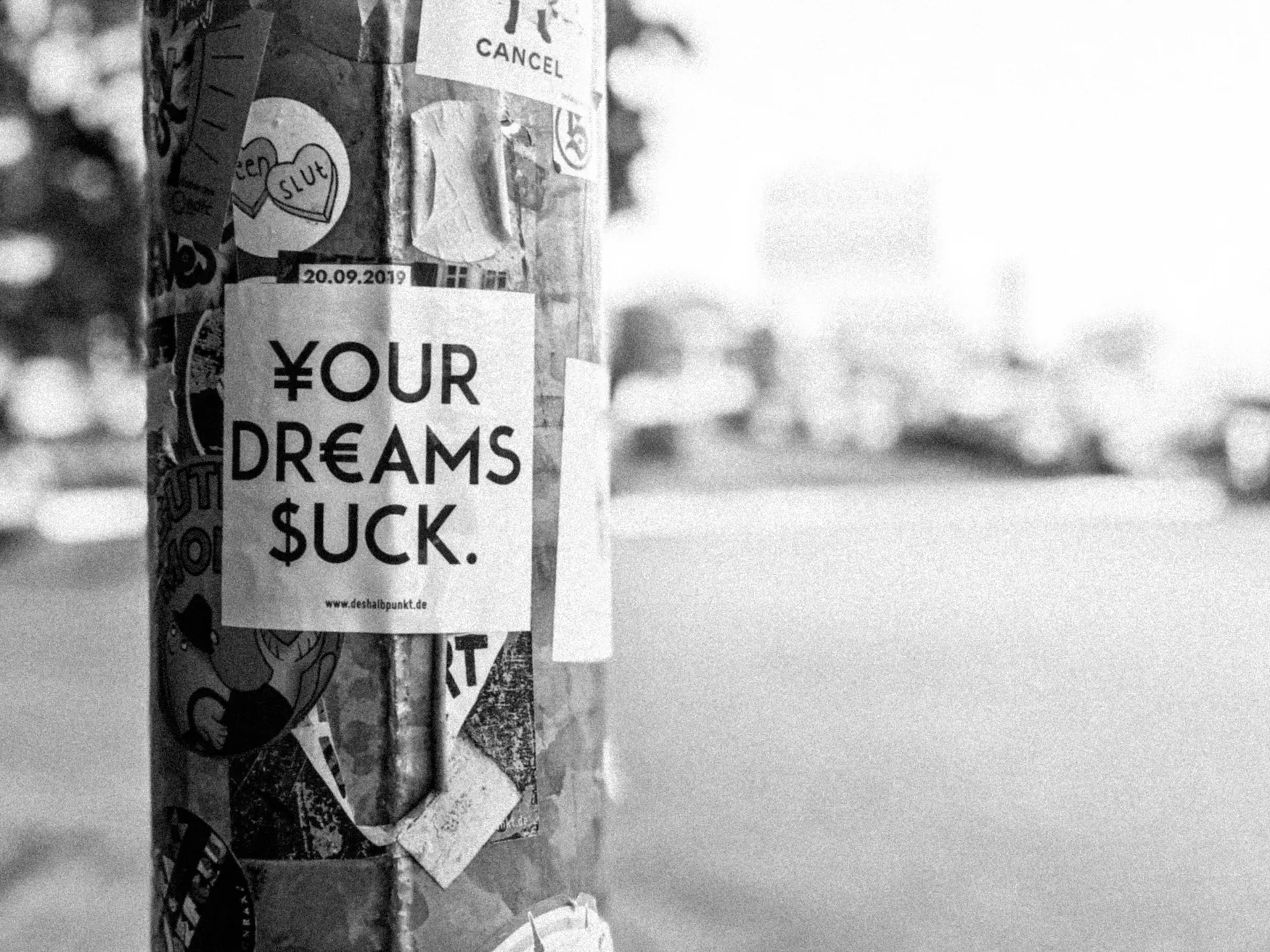
Yet LinkedIn has become a stage where self-appointed motivational voices try to generalize the human condition, offering one-size-fits-all narratives and solutions. It’s not just LinkedIn either, of course, but make sure to like, follow, subscribe, subscribe to my newsletter, and buy my book if you’d like to learn more.
The thing is, our experiences are fundamentally relative and contextual. A competent designer learns who their client is, understands their specific needs and goals, before making any assumptions about what will solve their problem, through being present and listening. To assume is arrogance. The same applies to human connection—context matters, individual circumstances matter. What weighs on me isn’t what weighs on you, and pretending otherwise doesn’t help either of us. In the short time that I made myself available as a mentor on ADPList, I had 13 different conversations with 13 different people, talking about 13 different experiences, providing 13 different points of view.
Here’s the thing: you don’t know me. You don’t know what battles I’m fighting.
For years, I treated LinkedIn as a utility, a glorified resume. You don’t stare at your resume when you’re not job hunting (even though you probably should every now and then), so I just forgot about it until somebody brought it up.
Coming back has been a mixed bag. On one hand, I’ve reconnected with people I’ve known for two decades, voices from when I still loved the web industry. I’ve had phone calls that felt like no time had passed, conversations that reminded me why I loved the community in and around tech in the first place. I’ve found folks in much better places in life remember who I was and what I contributed. In my current state? There’s been nothing more uplifting than that.
But between these moments, I’m flooded by posts that pretend to know me, that craft an entire narrative around a life they’ve never lived. They speak of my struggles, my doubts, my late nights, as if they’ve been sitting beside me through it all.
They haven’t.
We all carry our own “fixed costs” in this life—constant drains and stresses, physical and mental adversities, and situations beyond our control, that don’t show up in a LinkedIn profile or a carefully crafted post. Mine aren’t yours. Yours aren’t mine. The only certainty is that they exist, silent companions on our respective journeys.
I’m admittedly struggling to make this seem like something useful. But I’ll say this: tell your story, not mine. Share your struggles without assuming mine look the same. Be vulnerable without projecting that vulnerability onto others.
Because in the end, we’re all fighting battles others know nothing about. And sometimes, the kindest thing we can do is acknowledge that we don’t know—and listen rather than presume to speak for someone else’s pain. Maybe, if we did that, LinkedIn could focus on putting the spotlight on what deserves proper focus: connection, success, vulnerability, and empathy.